

General Health
Easy and Effective Tips To Prevent 7 Most Common Monsoon Diseases
3 min read
By Apollo 24|7, Published on - 28 June 2022, Updated on - 06 November 2022
Share this article
0
105 likes

While monsoon has hit several states of the nation, many are still waiting for the rain gods to pour some showers soon. Along with a cool breeze and soothing petrichor, the monsoon gives birth to several seasonal diseases such as diarrhoea, dengue, and many others. This article addresses 7 such monsoon diseases and the ways to prevent them.
1. Diarrhoea
While diarrhoea can happen at any time of the year, poor sanitation and contaminated water during monsoon increase the risk. The person may experience loose watery stool, abdominal cramps, mucus in stool, and nausea.
2. Dengue
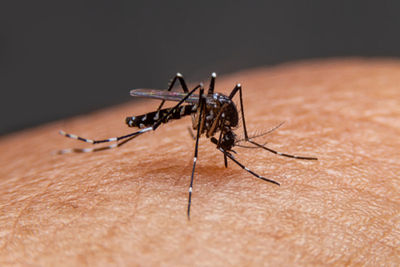
Dengue is a viral disease that spreads to people through the bite of an infected Aedes mosquito. The affected person may experience high fever, rashes, headaches, and joint pain. If not treated, dengue can result in internal bleeding and even death.
3. Typhoid
Typhoid is a bacterial infection caused by Salmonella typhi. Typhoid usually occurs due to contaminated food and water. The affected person may experience high temperature, headache, fatigue, constipation, and vomiting.
4. Conjunctivitis
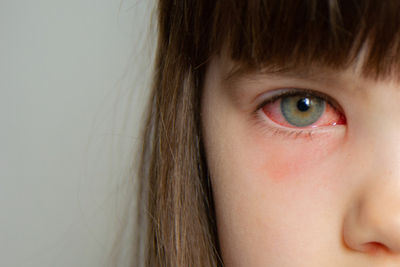
Also known as pink eye, conjunctivitis can be caused by viruses or bacteria. Due to increased moisture in the air during monsoon, the risk of conjunctivitis increases significantly. The affected person may experience redness, swelling, itching, pain, and discharge from the eyes.
5. Chikungunya
Chikungunya is a viral disease that spreads by the bite of a mosquito infected with the chikungunya virus. The affected person may experience fever, joint pain and swelling, headache, and rash.
6. Influenza
Also called flu, influenza is a viral disease that attacks the respiratory system and can result in severe infection. The affected person may experience fever with chills, runny nose, aching muscles, dry cough, and sore throat. If not treated, it can result in difficulty in breathing, chest pain, and seizures.

7. Malaria
Malaria is a parasitic disease, which is transmitted through the bite of an infected Anopheles mosquito. The affected person may experience a high fever with chills, fatigue, nausea, diarrhoea, and abdominal pain.
How to prevent these monsoon diseases?
Some of the effective ways to prevent the aforementioned monsoon diseases are:
- Close windows and doors in the evening as mosquitoes are most active during and post-sunset.
- Use mosquito nets while sleeping.
- Wear full-sleeved clothes to keep the body covered.
- Use repellents containing 50% DEET (combination of chemicals), picaridin, and para-menthane-diol, as they are effective against mosquitos and other insects.
- Empty and dry containers such as coolers, planters, garbage containers, and buckets as mosquitoes can breed in still water.
- Add vitamin C to the diet or use over-the-counter available supplements to help boost immunity.
- Get vaccinated against influenza by getting flu shots every year.
- Drink filtered water.
- Avoid eating uncovered foods from roadside vendors.
- Wash your hands with soap and water before eating food.
What are the signs that may indicate the need to visit a doctor?
Dr Safi Naaz, a general physician associated with Apollo 24|7, states that “If the patient experiences severe diarrhoea (loose motions), persistent headache, or severe vomiting, they must visit a doctor for further treatment.”
Most monsoon infections are self-resolving, however, if left unchecked and untreated, they can develop into severe life-threatening complications. To reduce the risk of these infections, keep your surroundings clean, avoid stagnation of water, disinfect standing water, and use mosquito repellents.
For more information,


General Health
Leave Comment
Recommended for you

General Health
Vocal Nodules and Remedies for Voice Hoarseness
Vocal nodules usually result from straining or overusing the voice, especially due to singing, shouting or talking loudly for long periods.

General Health
Hepatitis C: All You Need To Know About The Deadliest Form of Hepatitis!
There are five different types of hepatitis infections, of which the most serious is hepatitis C. Hepatitis C infection can cause short- or long-term damage to your liver. Taking the necessary prevention measures is essential to keep yourself safe.

General Health
Amoxicillin: Uses, Side Effects, Management
Amoxicillin can have side effects such as headache, nausea, gastrointestinal side effects, and allergic reactions. Your age, dosage, and treatment may influence it. Read to know more.
Subscribe
Sign up for our free Health Library Daily Newsletter
Get doctor-approved health tips, news, and more.
Visual Stories

Science-backed Home Remedies for Burns and Blisters
Tap to continue exploring
Recommended for you
General Health
Vocal Nodules and Remedies for Voice Hoarseness
Vocal nodules usually result from straining or overusing the voice, especially due to singing, shouting or talking loudly for long periods.
General Health
Hepatitis C: All You Need To Know About The Deadliest Form of Hepatitis!
There are five different types of hepatitis infections, of which the most serious is hepatitis C. Hepatitis C infection can cause short- or long-term damage to your liver. Taking the necessary prevention measures is essential to keep yourself safe.
General Health
Amoxicillin: Uses, Side Effects, Management
Amoxicillin can have side effects such as headache, nausea, gastrointestinal side effects, and allergic reactions. Your age, dosage, and treatment may influence it. Read to know more.